
What is a duck? A totally necessary guide.

Written by : Dakotta Hargrave
What really is a duck? Does anyone ever really look into what they are or where they came from? They’re loud, small, and fast waddlers. Most ducks descend from the most well known duck, the Mallard, followed by the Muscovy duck. While they might sound similar, they aren’t. The Mallard duck is generally found in continents like Asia, North America, North Africa, and Europe and have distinct markings on their backs. The Muscovy was domesticated in South and Central America by the people there before Columbus, they also don’t make the common quacking sound like the Mallards do, only when they’re caught or being chased.


Ducks are an omnivorous bird, they can eat insects, seeds, aquatic vegetation, and various varieties of small animals. Have you ever seen a duck upside down in the water at a lake or body of water? It's called tipping, ducks often tip their bodies forward to be able to reach the vegetation near the bottom or to get the smaller fish. Diving ducks on the other hand are completely used to foraging underwater, reaching nearly 20 feet. They feed on mussels, crabs, crayfish, and submerged vegetation. Domesticated ducks are very different from both of the other kinds, they’re commonly fed a controlled diet, containing grain, vegetables, and any commercial feed. “Domesticated pet ducks are almost like toddlers,” Deylean stated, “Once they imprint on you they’ll waddle around and follow you around your house. They love cuddles and adore talking. Getting multiple ducks and having them waddle behind me in my backyard is honestly adorable and amazing.”
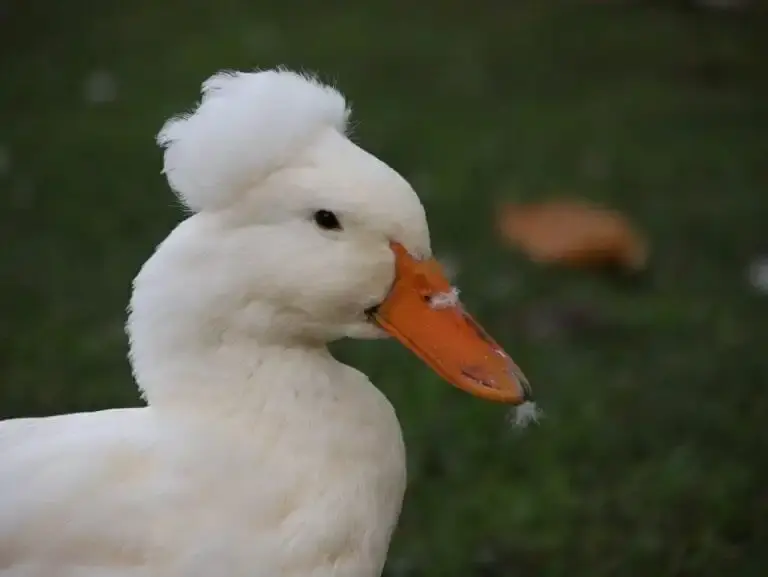
Ducks are very simple creatures, inside and out. Gifted with waterproof feathers, an adorable bill that's awesome at foraging, and a tail that can wiggle so fast. The external anatomy of a duck consists of its head, their uncommonly flat bill, two small nostrils, eyes on each side of the head that can see nearly 340 degrees, in some breeds the crest (a genetic mutation on the head), the neck, wings, body, feathers (Primary, Secondary, and Covert feathers), legs, and webbed feet. Using their bodies, they have great communication skills. A stretched neck can mean alertness or curiosity, rapid head bobbing can be a courtship type of behavior, and a tucked neck can mean they’re relaxed and calm. While they have a wonderful wing span not all can take to the sky so easily. Lightweight breeds, mallards and muscovies, have a better chance for flight than heavier breeds, Pekins and Silver Appleyards. It also can depend on clipping their wings, especially if you own ducks, clipping their wings can prevent your lightweight ducks from taking off.

There are many types of duck breeds all around the world, around 130 species. In California there's a total of 22 breeds. Containing the Mallard breed, the Gadwall, Bufflehead, Cinnamon Teal, American Wigeon, Green Wing Teal, Lesser Scaup, the Surf Scoter, the Greater Scaup, the Ruddy Duck, the Black Scoter, Northern Shoveler, the Blue winged teal, Ring Necked Duck, White Winged Scoter, Common Merganser, the Northern Pintail, Canvasback, the Wood Duck, Hooded Merganser, Red Breasted Merganser, and lastly the Redhead duck. While they’re all located in California, they’re not too similar. Finding ducks in general and in California is a fun time, they’re colorful, and waddle around adorably. Sacramento National Wildlife Refugee San Luis National Wildlife Refugee, Gray Lodge Wildlife Area, and Bolsa Chica Ecological Reserve are wonderful places to see ducks and the other wildlife in California.


Comments